Highly Rated on Google
UK's Largest Truxor Fleet
Free Consultation & Quote
Nationwide Coverage
Breathe new life into your water course.
Efficient Algae & Blanketweed Control
As Featured On

Excellent rating
Based on 12 reviews
Algae & Blanketweed
Algae — including blanketweed and the increasingly prevalent blue-green algae (cyanobacteria) — is one of the most common and damaging problems affecting UK lakes, ponds and waterways. While algae is a natural part of any aquatic ecosystem, excessive growth is almost always a symptom of an underlying nutrient imbalance, typically driven by elevated phosphorus levels from agricultural runoff, wastewater, or decomposing organic matter in the sediment.
Treating the visible algae alone rarely solves the problem for long. Aquatic Solutions UK takes a root-cause approach, combining mechanical removal with targeted water and sediment treatments to reduce nutrient loading, restore ecological balance, and deliver lasting results.
Before
After
Problems Caused By Algae & Blanketweed
Left unmanaged, algae and blanketweed cause a wide range of problems:
- Depleting dissolved oxygen, causing fish stress and mortality
- Releasing toxins — blue-green algae in particular poses serious health risks to people, livestock and wildlifeBlocking or slowing water flow into drainage systems
- Can be very unsightly, spoiling the aesthetic of a watercourse
- Clogging pumps, sluices and filters
- Disrupting fishing, boating and other recreational use
- Producing foul odours from biological decomposition
- Reducing light penetration and suppressing other aquatic plant life
- Accelerating silting as dead algal biomass accumulates on the bed
Our Approach
We work through a structured process: assess the water body, identify the primary drivers of algal growth, and build a treatment programme that addresses both the immediate problem and the underlying cause. All treatments are applied using our own specially designed equipment, ensuring accurate dosing and even coverage across the entire water surface — something that makes a significant difference to treatment effectiveness.
Before
After
Mechanical Algae Removal
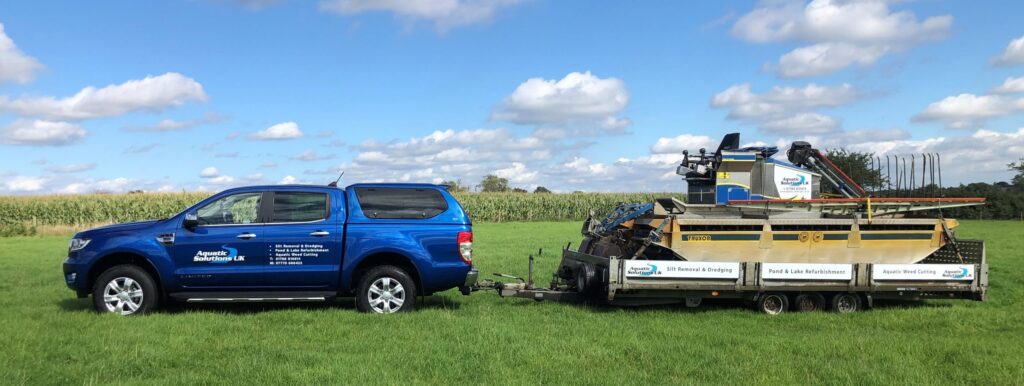
For immediate clearance — ahead of an event, at the start of a season, or as part of a broader programme — our Truxor amphibious machines fitted with collection rake attachments can remove large volumes of algae and blanketweed quickly and efficiently. This is a short-term measure that improves the appearance of the water rapidly, and works best when followed up with chemical or biological treatment to address the underlying nutrient loading.
Phosphate Binding & Nutrient Management
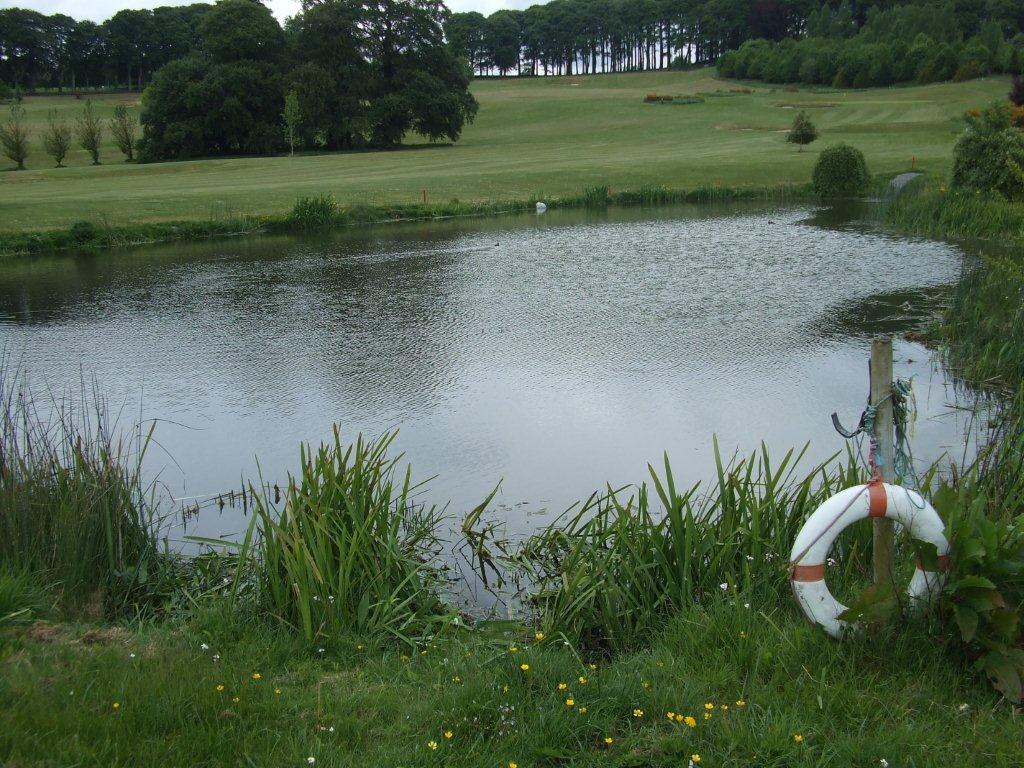
Phosphorus is the primary driver of algal blooms in most UK waterbodies. Reducing available phosphate — both in the water column and from internal loading within the sediment — is the single most effective long-term intervention. We offer multiple proven phosphate binding treatments, and will recommend the most appropriate one based on the characteristics of your site, including:
SeDox Max is a patented, mineral-based product that binds dissolved orthophosphate in the water column and phosphate released from sediments, reducing concentrations to below 0.035 mg/L. It also introduces inorganic carbon to optimise the nutrient ratio in the water, promotes microbial activity, and provides sustained oxygen enrichment — delivering both immediate and long-term results lasting several months. Best applied in late winter or spring, or following any direct algae treatment.
Phoslock is a lanthanum-modified bentonite clay that permanently binds dissolved phosphate in the water column. Once applied, it sinks to the lake bed and forms a barrier layer that prevents further phosphate release from the sediment — making it particularly effective for waterbodies with a history of heavy internal phosphorus loading.
Sediment Treatment
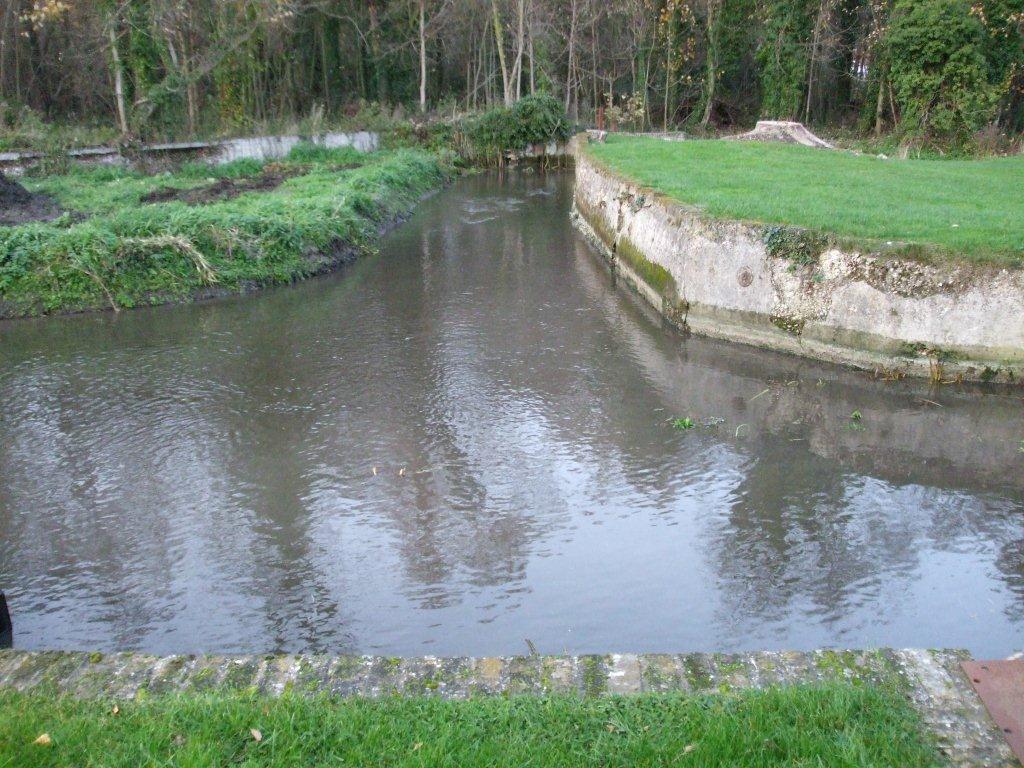
In many waterbodies, the sediment layer itself is a significant source of ongoing problems — releasing phosphate, generating foul odours from anaerobic decomposition, and consuming oxygen. We offer three targeted sediment treatments from the Oase Professional range:
SchlixX actively introduces oxygen into the sediment layer, preventing putrefaction, neutralising bad smells, and binding both heavy metals and released phosphate simultaneously.
SchlixX Plus combines long-term oxygen release with aquatic microorganisms that actively decompose the organic material on the lake bed — reducing the volume of organic sediment over time and improving overall water quality.

Water Stabilisation & Biological Balance
OptiLake stabilises water pH within the optimal range of 7.5–8.5 using a calcium and carbon dioxide buffer system — creating conditions that are less favourable to algal growth and more supportive of a healthy aquatic community.
ClearLake introduces a carefully selected combination of microorganisms that stimulate natural degradation processes, helping to break down turbid particulates and pollutants and improve water clarity over time.
PeriDox uses a natural oxidation process to release oxygen and inhibit the spread of parasites — a useful addition to treatment programmes on fisheries or bathing lakes.
Aeration
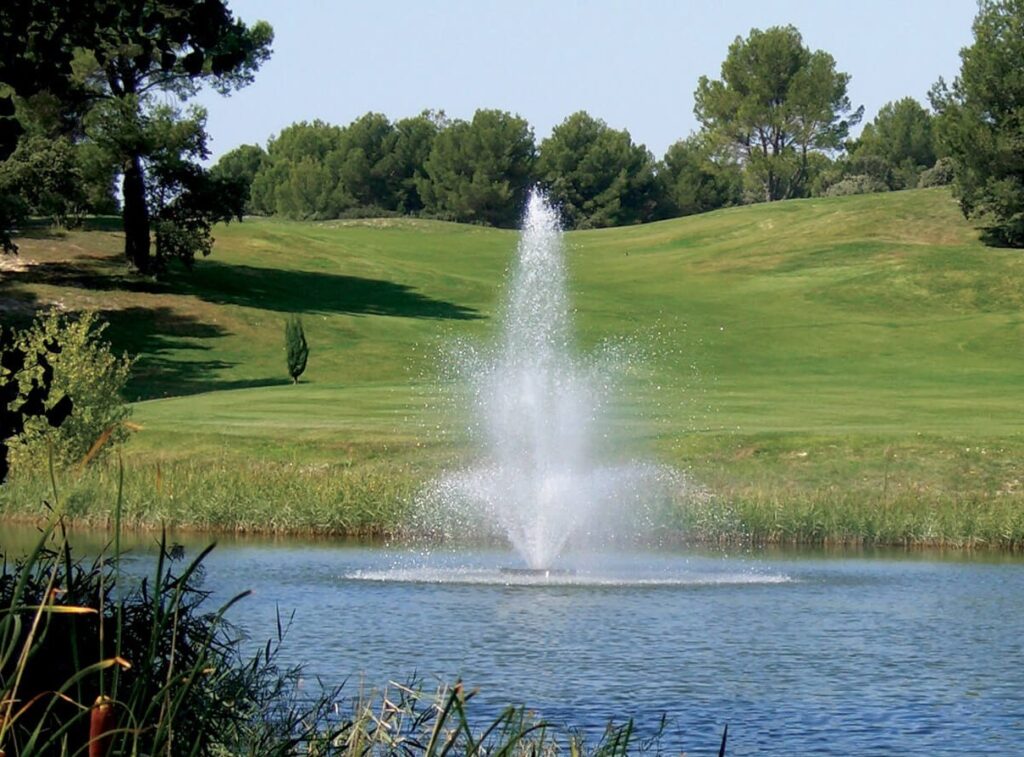
Aeration is one of the most effective tools for long-term algae management. By increasing dissolved oxygen levels and destratifying the water column, aeration inhibits the anaerobic conditions that drive phosphate release from sediment, prevents the temperature layering that cyanobacteria exploit, and supports a healthier, more balanced aquatic ecosystem overall.
Aquatic Solutions UK supplies and installs aeration systems and decorative fountains, sized and specified for your waterbody. We’re happy to advise on the most appropriate system for your site as part of an integrated treatment programme.
Lake Dye
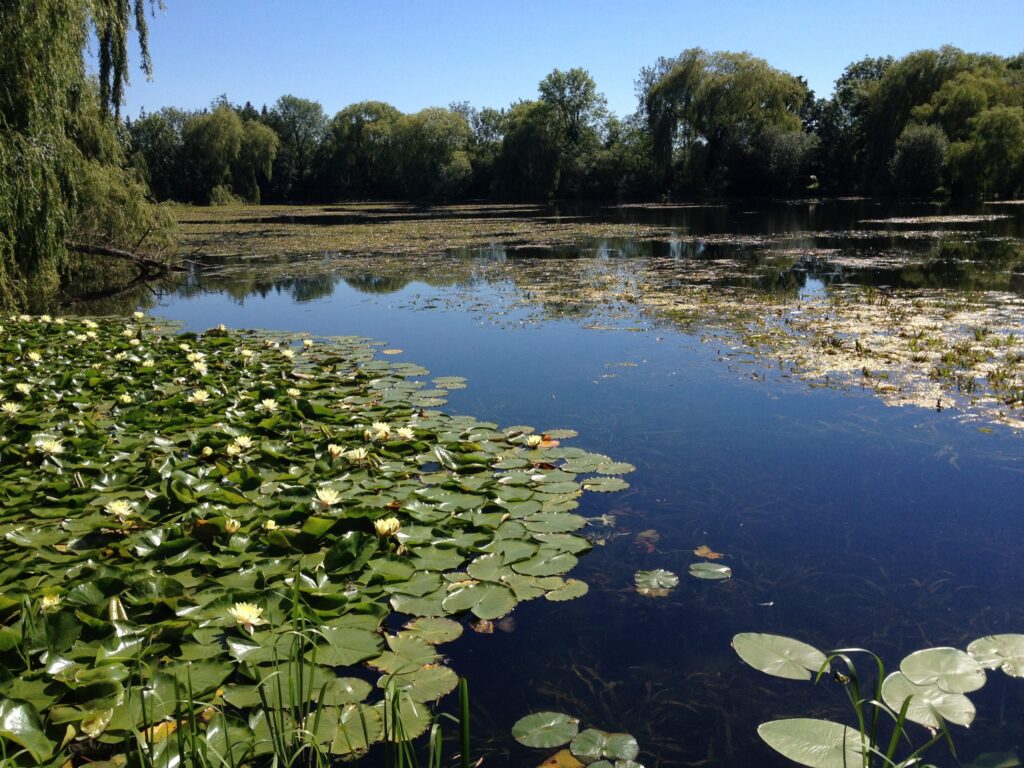
As a complementary measure, lake dyes reduce light penetration into the water column, limiting the photosynthesis that drives algal growth. Particularly effective when used alongside phosphate management and aeration, dyes can help maintain clearer water through the growing season and enhance the visual appearance of the water at the same time.
Get in Touch
Algae and blanketweed problems rarely resolve themselves — and the longer nutrient imbalances go untreated, the harder they become to manage. If you’re dealing with an algae problem or want to get ahead of one, we’re happy to advise on the right approach for your site. Call us on 01788 810614 or complete our online contact form to arrange a free discussion.
We Work With